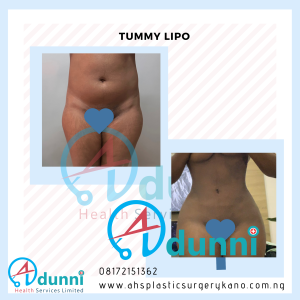

Liposuction is a surgical cosmetic procedure that removes difficult to burn fat deposits that diet and exercise alone cannot eliminate and offers a transformative solution for those looking to refine their body contours by. As with any surgical procedure, there can be considerable pain and discomfort associated with liposuction. The anticipation of pain and its management are of important concerns that often occupy the minds of potential clients that influence their decisions.
The feeling of pain is highly subjective, varying significantly from one individual to another, influenced by personal pain thresholds, the areas treated, type of anesthesia employed and the liposuction techniques used. Understanding these factors and the post- operative pain management strategies can significantly allay fears about the liposuction.
Setting realistic expectations is vital to success. An understanding of the recovery timeline, the initial discomfort and the gradual relief of pain, is vital. This knowledge not only prepares individuals for what lies ahead but also contributes to a smoother, more comfortable recovery journey. Remember that the journey to a defined silhouette is a partnership between you and your surgeon, grounded in trust, expertise, and a shared commitment to achieving your body goals.
The Reality of Pain in Liposuction
When considering liposuction, it’s natural for potential clients to question the level of pain involved in the procedure. The reality is that pain is an inevitable aspect of any surgery, but it will be carefully managed and reduced using modern techniques and medications
Understanding Pain During Liposuction
During the procedure itself, clients are under anesthesia, which means you will feel no pain. The procedure is done usually under General Anesthesia (GA) that makes you completely unconscious and pain-free during the surgery.
Post-Operative Discomfort
After the effects of anesthesia wear off, you may experience varying degrees of discomfort. This post-operative pain is often described as soreness or a bruised feeling in the treated areas, similar to the muscle ache felt after an intense workout. The intensity of this discomfort depends on your pain tolerance and the volume of fat removed. The technique we use involves the use of fluids that help reduce bleeding and pain post-operatively.
Factors Influencing Pain Perception
1. Individual Pain Threshold: Pain is a highly subjective experience. Individual tolerance levels can significantly influence perceptions of pain during recovery.
2. Treatment Area: Some areas of the body may be more sensitive than others. Liposuction on the inner thighs or abdomen might be perceived as more uncomfortable compared to areas like the back or arms.
3. Extent of the Procedure: Larger volumes of fat removal or treatment of multiple areas can lead to more significant discomfort during recovery.
4. Type of Anesthesia: The choice between local and general anesthesia can influence the initial recovery phase, with general anesthesia possibly resulting in a groggier, more disoriented feeling post-procedure.
5. Individual Healing Response: Each person’s body responds differently to trauma and healing, affecting the duration and intensity of post-operative pain.
Post-Operative Liposuction Pain Timeline
1. Immediate Aftermath and Initial Pain Levels: Immediately following liposuction, as the anesthesia wears off, patients will begin to feel varying degrees of pain and discomfort. This initial period is often managed with prescription pain medications provided by the surgeon. The intensity of pain is usually highest during the first 2-3 days post-surgery and gradually subsides over the following week.
2. A week to 10 days after the surgery: Most patients find that they can transition to over-the-counter pain relievers within a 7 to 10 days. However, it’s important to note that the healing process is highly individual, and some may experience discomfort for a longer period. Let your surgeon know how you are feeling.
3. Procedural pain: Lymphatic Massages can be painful at the start but become increasingly less pain as you have them to reduce swelling. Swellings are cause pain and massages help reduce the swelling and pain. Most clients feel better after a massage. Drainage of seroma can also be painful.
Managing Pain and Enhancing Recovery
1. Follow Post-Operative Instructions: Adhering to your surgeon’s guidelines, including the use of compression garments and engagement in light activity, can significantly impact pain levels and speed up recovery.
2. Medication: Utilize prescribed pain medications as directed and consult with your surgeon before transitioning to over- the-counter options.
3. Stay Hydrated and Maintain a Healthy Diet: Proper nutrition and hydration are key to promoting healing and reducing discomfort.
4. Rest and Listen to Your Body: While light activity is encouraged to promote circulation, it’s crucial to avoid strenuous activities that can exacerbate pain or disrupt the healing process.
5. Get Your Lymphatic Massages: These reduce swelling and discomfort.
Setting Realistic Expectations
1. It’s crucial for you to have realistic expectations regarding pain. While liposuction is not considered a highly painful procedure, a certain level of discomfort during the recovery phase is normal and expected. Communicating with your surgeon about pain concerns and management options can greatly ease anxiety and improve the overall experience. Telling your surgeon about medications, alcohol intake, marijuana use and prior surgical pain experience can help in preparing better for your pain.
2. Recovery from liposuction is a gradual process, and while pain is a part of this journey, it is manageable with the right strategies and support. You should prepare for a period of downtime (of about 3-4 weeks) and give yourself permission to rest and heal. Communicating with your after-care team about pain levels and concerns will ensure that your recovery is as comfortable as possible.
3. The discomfort experienced post-surgery can be effectively managed through medications, proper care, and following your surgeon’s detailed instructions. These include wearing compression garments, managing activity levels, and attending follow-up appointments. Such adherence not only aids in managing pain but also in achieving the best possible outcome.
It’s essential to keep in mind the reason behind choosing liposuction. The temporary discomfort and recovery period pave the way to long- lasting changes in body contour and self- confidence.
4. Other issues aside pain can occur and these include itching and abnormal sensations over the ares treated. Discuss with your surgeon for managing these if they arise.
Pain Is Manageable and Temporary
One of the most important takeaways is that while pain is an inherent part of the surgical and recovery process, it is both manageable and temporary. Advances in surgical techniques, anesthesia, and pain management have made liposuction a procedure with a relatively comfortable recovery for most patients. You have to focus on your body goals to have the right mindset for healing.